
Replacing Roofs
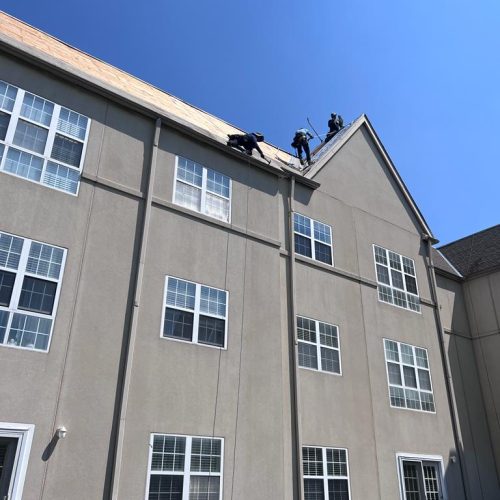
When considering whether to replace your roof, you should assess the extent of any damage it has incurred over the years. Roof replacement becomes necessary when signs of wear and tear, such as cracked or missing shingles, compromise the integrity of your home's roofing system. It's crucial to address any issues promptly to avoid further damage to your roof and ensure the longevity of your home.
Keeping your roof in good shape is really important to keep your home safe and comfy. But eventually, even the strongest roofs wear out and need to be replaced. You should consider having your roof replaced when you notice significant damage or deterioration to maintain the integrity of your home. So, how often should you get a new roof? Well, it depends on things like the kind of roofing you have, how well it was installed, the weather where you live, and how much care you give it.
Signs a Roof Needs to Be Replaced
Maintaining your roof is essential to keep your home safe and your family comfortable. However, as time passes, your roof may experience wear and tear, potentially leading to damage that needs fixing or even replacement.
Let’s examine some signs that might indicate it’s time to replace your roof.
Cracked or Broken Shingles
Damage to shingles is a clear indicator that your roof may need attention. Signs such as missing pieces or debris in the gutters are easy to spot. Cracks or breaks in shingles are often caused by harsh weather conditions or normal wear and tear. As asphalt shingles age, they lose their flexibility due to exposure to sunlight and weather elements, making them prone to cracking and breaking.
Water Damage or Leaks
Water damage or leaks are clear indications that your roof requires attention. The presence of water stains on your ceiling, walls, or attic interior suggests that water is penetrating through your roof. Several factors, such as damaged flashing, missing shingles, or improperly sealed valleys, can contribute to a leaky roof. It’s essential to address any signs of water damage or roof leaks promptly by reaching out to a roofing contractor in the Raleigh area to prevent further damage.
Moss Growth
Moss growth on your roof may signal underlying issues, such as water infiltration through cracks and gaps, potentially causing significant damage. Additionally, shaded areas created by overhanging tree limbs can promote moss growth by prolonging moisture exposure on the roof surface. Clearing these shading limbs can mitigate moss growth and prevent damage caused by falling debris.
Sunken Roof
The occurrence of a sunken roof is indicative of substantial roof damage, often involving not only the shingles but also the underlying structure. This suggests a broader failure within the roofing system. If you observe any signs of roof sinking, it’s imperative to seek professional assistance promptly to assess and address the issue to prevent further structural damage.
Granules in Gutters or Downspouts
As time passes, the granules on your asphalt roofing shingles may wear off, exposing your roof to potential harm. If you observe a significant accumulation of granules in your gutters or downspouts, it could indicate that your shingles are approaching the end of their lifespan and require replacement.
Increased Energy Bills
A roof that is damaged or inadequately insulated can result in higher energy bills, as your heating and cooling systems must exert more effort to regulate the indoor temperature. If you observe a sudden uptick in your energy expenses, it could indicate that your roof requires attention. It’s advisable to arrange yearly roof inspections to safeguard the energy efficiency of your home.
Age of the Roof
Determining the lifespan of your roof largely depends on its age and the type of roofing material utilized.
Roofs usually last about 20 years, meaning you might have to replace yours or get someone to do it eventually. How long your roof lasts depends mainly on what it’s made of. Here’s a rough idea of how long different materials usually last before needing replacement:
- Asphalt Shingles: 20 years
- Wood Shake or Shingles: 30 years
- Metal: 40 to 70 years
- Slate, Concrete, or Clay Tiles: 50 to 100 years
To assess whether it’s time for a replacement, it’s advisable to engage a reliable and seasoned roof replacement contractor for a thorough inspection. This inspection will provide valuable insights into the remaining lifespan of your roof and any necessary next steps.
So, how often should you replace your roof? A roofadvisor recommend that roofs should be replaced when they show signs of extensive wear and tear to ensure the safety and longevity of your home exterior. When considering how often you should replace your roofs, you should keep in mind that it depends on various factors such as the type of materials used, the age of your roofs, and the visible signs of wear and tear. As a general rule of thumb, roofing experts recommend replacing your roof every 20 to 25 years. However, if you notice visible damage, such as cracked or missing shingles, or frequent leaks, you should consider replacing your roof sooner. It’s essential to consult with reputable roofing services to assess the condition of your roof and provide expert tips on when to replace it. Additionally, homeowners should be aware that replacing their roof can impact their property insurance, especially if they opt for durable materials like metal that may qualify for insurance discounts.
If you are looking for contractors for your upcoming home renovation projects at New America Construction we provide roofing estimates for all NJ homeowner.
Call us for more information 973-804-9400
Find us in: